Cape Coast, the capital of Ghana's Central Region, is widely recognized for its pivotal role in West African history, particularly through its iconic castles. While Cape Coast Castle and Elmina Castle are essential visits, the city and its surroundings offer a wealth of other historical sites that provide a more nuanced understanding of Ghana's past. This guide delves into some of these less-explored attractions, offering a broader perspective on Cape Coast's heritage for locals, diaspora, and visitors alike.
Why This Matters in Ghana
Ghana's history is deeply intertwined with its coastal cities, and Cape Coast stands as a testament to various eras, from pre-colonial kingdoms to the transatlantic slave trade and the struggle for independence. Understanding these diverse historical layers is crucial for appreciating the nation's identity and resilience. For Ghanaians, these sites are a connection to their ancestral past. For the diaspora, they offer a tangible link to their heritage. For international visitors, they provide vital context for understanding global history and its impact on contemporary Ghana. Exploring these sites also supports local tourism, contributing to the economic vitality of the Central Region, an important centre for education, tourism, and local commerce.
Main Guide
Fort William
Perched atop a hill overlooking Cape Coast Castle, Fort William offers panoramic views of the city and the Atlantic Ocean. Originally built by the British in the late 17th century, it served as a lighthouse and a vantage point for defense. While not as grand as the castles, its strategic location and historical significance as a former prison and observation post make it a compelling visit. The climb to the top is rewarded with vistas, providing a different perspective on the coastal landscape and the historical layout of Cape Coast.
Fort Victoria
Another British-built fort, Fort Victoria, also known as Phipps' Tower, sits on a hill to the west of Cape Coast Castle. Constructed in 1821, it was primarily a defensive outpost. Its elevated position offers another unique viewpoint of the coastline and the surrounding areas. The fort's architecture, though simpler than the larger castles, speaks to the colonial military presence in the region and its role in protecting trade routes and colonial interests.
The Cape Coast Centre for National Culture
Beyond fortifications, the Centre for National Culture provides a window into the vibrant cultural heritage of the Fante people, the dominant ethnic group in the Central Region. Here, visitors can explore traditional crafts, music, dance, and art. It serves as a hub for cultural preservation and promotion, often hosting performances and workshops that showcase local talent and traditions. This centre offers a valuable complement to the historical sites, illustrating the living culture that has evolved alongside the city's historical narrative.
The Oguaa Fetu Afahye Festival Grounds
While not a permanent structure, the grounds where the annual Oguaa Fetu Afahye festival is celebrated hold immense cultural and historical significance. This traditional festival, observed by the Fante people of Cape Coast, commemorates a historical epidemic and the purification of the town. It is a vibrant display of traditional regalia, drumming, dancing, and rituals. Visiting Cape Coast during this time (usually late August/early September) offers an immersive experience into the city's living history and cultural practices, providing insights into community life and traditional governance.
Local Markets and Fishing Harbours
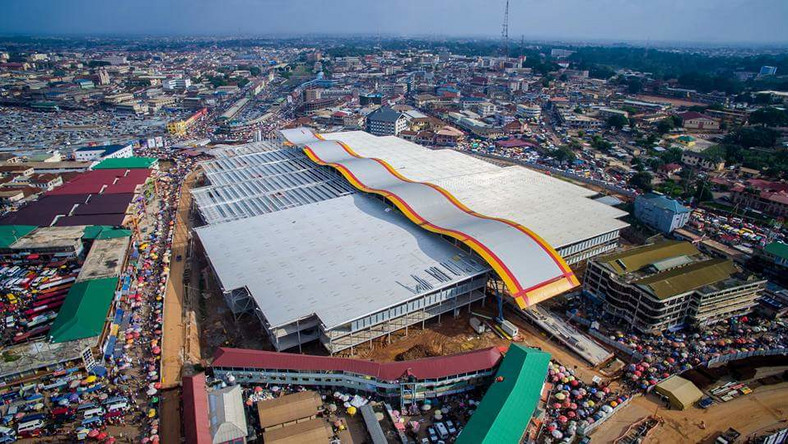
To truly understand Cape Coast, a visit to its bustling local markets and active fishing harbours is essential. These areas are not just commercial hubs but also historical spaces where trade and daily life have unfolded for centuries. The vibrant energy, the array of local produce, and the traditional fishing methods offer a glimpse into the economic and social fabric that has sustained the city through its various historical periods. They represent the continuous thread of local commerce and community that underpins the grand historical narratives.
Practical Tips
- Hire a Local Guide: Engaging a local guide can significantly enhance your experience, providing deeper insights and personal stories about the sites. They can also help navigate less-traveled paths.
- Wear Comfortable Shoes: Many historical sites involve walking, sometimes on uneven terrain or up hills. Comfortable footwear is advisable.
- Stay Hydrated: The Ghanaian climate can be warm, so carry water, especially when exploring outdoors.
- Respect Local Customs: When visiting cultural sites or participating in festivals, observe and respect local traditions and etiquette.
- Combine Visits: Plan your itinerary to combine visits to the castles with these lesser-known sites for a comprehensive historical tour.
How Ghana.is Can Help
Ghana.is serves as a discovery platform for Ghanaian-owned, Ghanaian-linked, and Ghana-serving businesses worldwide. While exploring Cape Coast's historical sites, you might be looking for local services such as tour operators, accommodation, restaurants, or craft shops. Our platform can help you find businesses that cater to these needs, connecting you with local entrepreneurs and service providers in the Central Region. Whether you're seeking a place to eat authentic Fante cuisine or a local artisan selling traditional crafts, Ghana.is can guide your discovery.
Explore Related Businesses
As you journey through Cape Coast's historical landscape, consider exploring businesses that complement your experience. Look for local eateries offering traditional Ghanaian dishes, guesthouses and hotels that provide a comfortable stay, or shops selling locally made souvenirs and art. These businesses, often run by members of the local community, contribute to the unique character of Cape Coast and offer opportunities to engage directly with the local economy. You can use platforms like Ghana.is to discover these services and support local entrepreneurship in the Central Region.
Conclusion
Cape Coast's historical narrative extends far beyond its famous castles. By exploring sites like Fort William, Fort Victoria, the Centre for National Culture, and engaging with the city's vibrant markets and festivals, visitors can gain a richer, more nuanced understanding of Ghana's profound history and enduring culture. These sites offer a window into the past that is both educational and deeply moving, highlighting the resilience and spirit of the Ghanaian people. A visit to Cape Coast is an opportunity to connect with a heritage that has shaped not only Ghana but also the wider world.
Explore small businesses on ghana.is
Explore Ghanaian businesses, services, shops, food places, and practical discovery guides on ghana.is.
Own a small business?
Own a business in Ghana or connected to Ghana? Add your listing on ghana.is and help more customers find, contact, and recommend you.